

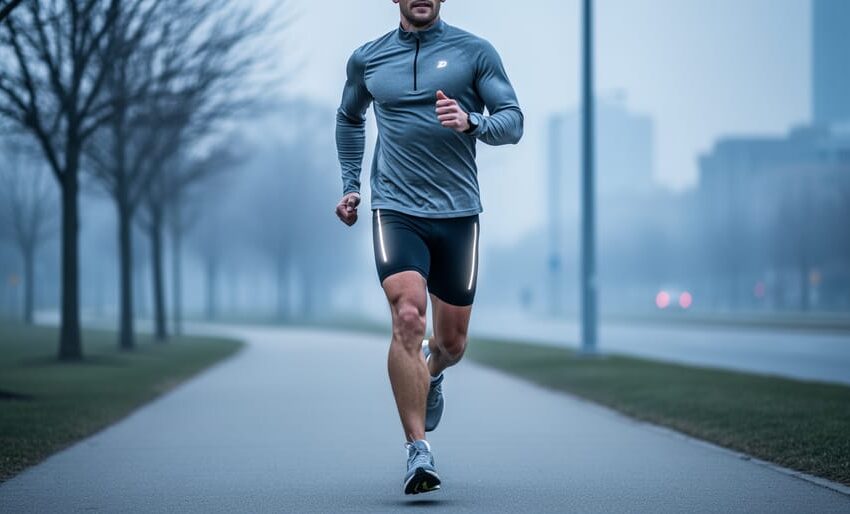
Performance running apparel is engineered clothing that manages moisture, regulates temperature, reduces friction, and supports biomechanics better than standard athletic wear. The difference isn’t marketing hype: technical fabrics can lower core temperature by 2-3 degrees Celsius during long runs, prevent chafing that sidelines thousands of runners each season, and improve comfort enough to help you run longer and more consistently. Whether the investment makes sense depends on your running frequency, the conditions you train in, and which specific features address your biggest discomfort points.
For runners logging more than three sessions weekly, especially across Canada’s extreme seasonal swings, performance gear shifts from luxury to practical necessity. A moisture-wicking base layer prevents the clammy chill that follows winter intervals. Compression shorts eliminate inner-thigh chafing on humid July mornings. Reflective details keep you visible during early-morning commutes in November’s darkness.
The challenge is cutting through inflated claims to identify what actually matters. Not every runner needs $200 tights with graduated compression, but everyone benefits from proper seam construction and fabrics that move sweat away from skin. This guide breaks down the science behind performance textiles, matches features to real training scenarios faced by Canadian runners, and helps you build a functional wardrobe without overspending on features you won’t use. You’ll learn which technologies deliver measurable benefits, how to evaluate quality without relying on price tags, and exactly where your gear budget creates the most impact on your running experience.
What Makes Running Apparel ‘Performance-Grade’
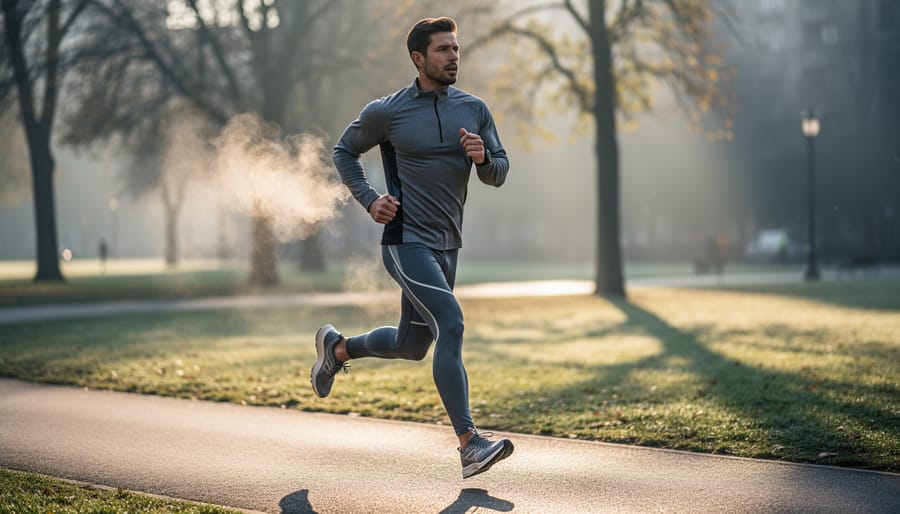
Performance-grade running apparel isn’t just a marketing term, it’s a specific set of engineering decisions that separate gear designed for serious running from general athletic wear. The distinction comes down to how the clothing interacts with your body during the repetitive motion and physiological stress of running.
Standard athletic clothing might work fine for a gym session or casual jog, but performance running apparel addresses the unique demands of sustained forward movement, elevated heart rates, and the temperature swings Canadian runners face across seasons. The difference becomes obvious once you understand what these garments are actually engineered to do.
- Moisture-wicking
- The active transport of sweat away from skin through capillary action in specialized fabric structures, maintaining dry contact against the body rather than simply absorbing moisture like cotton.
- Compression technology
- Graduated pressure applied to specific muscle groups through elastomeric fabrics, designed to support circulation and reduce muscle oscillation during repetitive impact.
- Aerodynamics
- Body-mapped garment construction that minimizes fabric movement and air resistance during forward motion, particularly relevant at faster paces where drag becomes measurable.
- Thermal regulation
- Fabric systems that actively manage body temperature through ventilation zones, insulation properties, and heat-responsive materials that adapt to changing conditions.
- Biomechanical support
- Strategic fabric placement and tension that works with natural movement patterns to reduce energy waste and enhance running economy.
Beyond these core technologies, performance running apparel incorporates design elements you won’t find in regular workout clothes. Seam placement follows movement lines rather than traditional garment construction, eliminating friction points that cause chafing over distance. Flatlock or bonded seams lie completely flat against skin instead of creating raised edges.
The fit itself differs fundamentally. Performance pieces use compression mapping, tighter in some areas, looser in others, based on how muscles activate during the running gait cycle. This isn’t the uniform compression of shapewear or the loose comfort of casual athletic wear.
Fabric weight matters too. Performance running apparel typically uses lighter materials than standard athletic clothing, measured in grams per square meter, because every extra gram you carry over thousands of stride repetitions adds up. You’ll notice this difference most clearly when comparing a performance running shirt to a regular gym tee, the performance piece feels almost weightless while still providing full coverage.
These characteristics work together as a system. A shirt with excellent moisture management but poor fit will still cause discomfort. Compression without proper ventilation creates overheating. True performance apparel integrates all these elements into gear that genuinely helps you run better.
The Science Behind Fabric Innovation
Moisture Management Systems
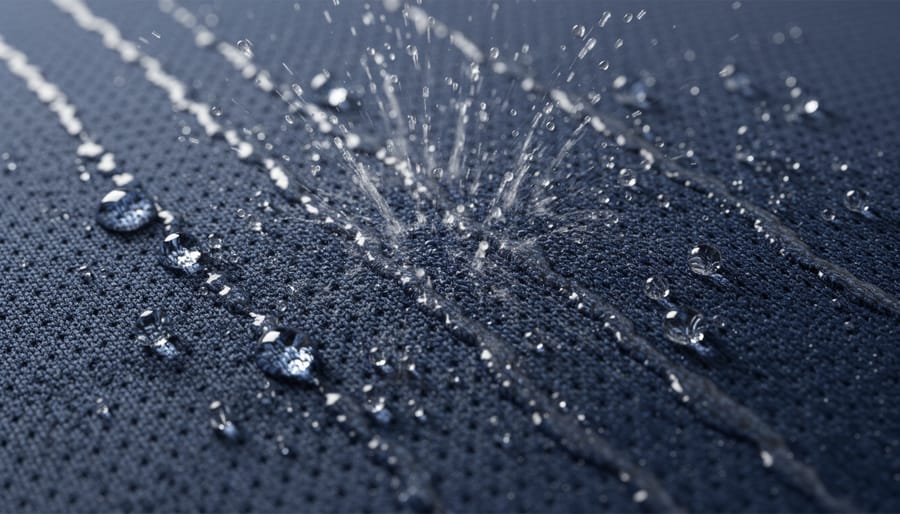
When you run, your body produces sweat to cool itself down, but if that moisture stays against your skin, it creates a heavy, uncomfortable barrier that reduces your body’s ability to regulate temperature. Advanced moisture management systems in performance running apparel solve this problem through engineered fabric structures that actively pull sweat away from your skin and spread it across the garment’s outer surface where it can evaporate quickly.
These wicking technologies rely on capillary action, where the fabric’s construction creates tiny channels that draw moisture outward. The best systems use hydrophobic (water-repelling) fibers on the interior surface and hydrophilic (water-attracting) fibers on the exterior, creating a push-pull effect that moves sweat in one direction only. This keeps your skin drier, which means your body expends less energy on temperature regulation and more on forward motion.
In Canadian climates, effective moisture management matters year-round. During summer runs in humid Ontario or British Columbia, rapid wicking prevents that soaked-shirt feeling that leads to chafing and overheating. In winter, dry skin is essential for warmth, wet fabric against your body in minus-fifteen Alberta temperatures creates dangerous heat loss. Quality performance apparel keeps you dry enough to maintain comfortable core temperature whether you’re running through Prairie summers or Maritime fog.
The difference becomes obvious after twenty minutes of effort. Cotton holds moisture against skin. Basic synthetics spread sweat but dry slowly. True performance fabrics actively transport and release moisture, keeping you comfortable through tempo runs and long training days.
Compression Technology and Recovery
Compression running apparel works by applying graduated pressure to muscles, tightest at the extremities and gradually loosening toward the torso. This mechanical pressure supports blood flow back to the heart, potentially reducing muscle oscillation during impact and accelerating the removal of metabolic waste products like lactate after hard efforts.
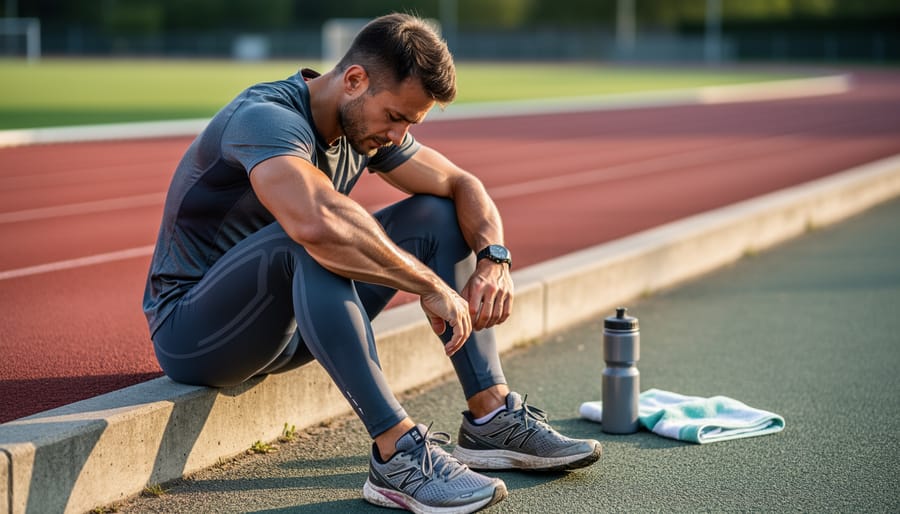
The strongest evidence for compression gear centres on recovery rather than immediate performance gains. Studies consistently show that wearing compression tights or sleeves for several hours after intense workouts can reduce delayed-onset muscle soreness and speed recovery between training sessions. Many Canadian runners report feeling fresher for their next run when they wear compression gear during the post-run window.
During actual running, the performance benefits are more modest and individual. While compression wear might provide a slight edge in perceived exertion and reduce muscle fatigue on very long runs, don’t expect dramatic improvements in race times from compression alone. The psychological benefit of feeling supported and locked in can matter as much as any physiological advantage.
One common misconception: tighter isn’t automatically better. Proper compression wear is engineered with specific pressure gradients. Generic tight-fitting gear won’t deliver the same benefits and might actually restrict circulation if it’s too constrictive. Look for graduated compression specifically designed for running, particularly for calves and thighs where impact forces concentrate during your stride.
Performance Features That Matter Most
Fit and Aerodynamics
Garment fit influences running economy more than many runners realize. Loose-fitting clothing creates drag that forces your body to work harder at higher speeds, while excessively tight apparel can restrict breathing and movement. Studies on athletic clothing aerodynamics show that properly fitted performance gear reduces wind resistance enough to measurably impact energy expenditure during sustained efforts above race pace.
The sweet spot sits between compression-tight and relaxed-loose: garments should follow your body’s contours without binding or flapping. Look for designs with minimal seams and strategically placed stretch panels that move with your stride rather than against it. For Canadian runners training through variable conditions, layering becomes trickier, but the same principle applies, each layer should fit close without creating bulk that disrupts airflow around your torso and limbs.
Competitive runners notice the difference most during tempo runs and races where every percentage point of efficiency compounds over distance. If you are working to improve your 5K or 10K time, switching from standard athletic fits to performance-specific cuts can shave seconds off your finish without changing your training.
Weather-Adaptive Features
Canada’s dramatic temperature swings demand running apparel that adapts to conditions ranging from humid 30°C summer runs to brutal -25°C winter training sessions. Performance-grade weather-adaptive features go beyond basic layering by integrating technologies that respond dynamically to changing conditions.
For hot-weather running, look for fabrics with enhanced ventilation zones positioned at high-heat areas like the back and underarms, combined with UV protection rated SPF 30 or higher. These mesh panels create airflow channels that accelerate evaporative cooling without compromising coverage. Some advanced tops now incorporate phase-change materials that actively absorb excess body heat and release it when your temperature drops.
Winter performance apparel requires different engineering altogether. Fabrics must trap warm air while allowing moisture vapor to escape, preventing the dangerous combination of sweat accumulation and cold air that causes rapid heat loss. Quality pieces designed to keep legs warm use brushed interior linings that create insulating air pockets, while windproof front panels block cutting gusts. The best winter pants combine these elements with articulated knees and ankle zippers for easy on-off over shoes, proving that true performance means solving real problems Canadian runners face year-round.
Visibility and Safety Innovations
Running in low-light conditions demands gear that keeps you visible without adding bulk or restricting movement. Modern performance apparel integrates reflective elements directly into fabric construction rather than relying on bulky patches or vests. Strategic placement along moving body parts, shoulders, arms, and legs, creates motion patterns that drivers recognize more quickly than static reflections.
Advanced fabrics now incorporate reflective yarns woven throughout the material, providing 360-degree visibility while maintaining breathability and stretch. These multi-directional reflective elements catch headlights from various angles, crucial when crossing intersections or running on roads without dedicated shoulders.
For Canadian runners facing extended darkness during winter months, some performance pieces feature battery-free luminescent technology that charges under indoor lighting and glows for hours. Higher-end options integrate LED strips into seams, powered by lightweight, washable battery packs that don’t interfere with natural movement.
The most effective safety features work passively, you don’t adjust settings or remember to activate them. Look for reflective details positioned where fabric naturally moves during your stride, creating dynamic visibility that alerts drivers to your presence before they’re alongside you.
Choosing the Right Performance Apparel for Your Running Style
For Beginners Building Mileage
When you’re just starting to start running and building your base mileage, resist the temptation to invest in every high-tech feature. Focus on three foundational elements that protect you as your body adapts: moisture-wicking base layers that prevent chafing during longer runs, reflective details for visibility during dawn or dusk outings (especially important during Canadian winters), and a comfortable fit that doesn’t restrict your natural stride. A basic moisture-management shirt and properly fitted shorts or tights will serve you far better than compression gear or aerodynamic designs at this stage. As your weekly mileage climbs past 20 kilometres, you’ll naturally discover which additional features matter for your specific comfort, maybe anti-odour treatment for multiple runs between washes, or thumbholes to keep sleeves in place during cool mornings. Pay attention to seam placement now; flat-lock construction prevents irritation that becomes unbearable on hour-long runs. Save your budget for quality shoes and one versatile performance top rather than accumulating mediocre pieces that won’t last through a training cycle.
For Intermediate Runners Chasing PRs
When you’re consistently hitting tempo runs and interval sessions, strategic performance apparel choices can shave seconds off your race times. At this level, invest in tops with seamless construction and flatlock seams that eliminate chafing during hard efforts, discomfort becomes a real limiter when you’re pushing lactate threshold. Race-day singlets with aerodynamic fabrics reduce drag measurably at faster paces; studies show fitted, smooth-surface garments can reduce wind resistance by 3-5% compared to loose cotton.
For training cycles that span Canadian seasons, prioritize versatile pieces. Quality cold-weather tights with strategic ventilation zones let you maintain intensity without overheating, while graduated compression shorts support muscle efficiency during speed work. Look for garments with reflective elements placed along movement lines, they enhance visibility without adding weight.
The biggest performance gains come from temperature regulation. Lightweight, moisture-wicking base layers that maintain consistent skin temperature prevent the energy drain that happens when your body fights to cool or warm itself mid-run. At PR-chasing intensity, even small thermal distractions matter.
For Different Running Distances
Distance fundamentally changes your apparel requirements. Sprinters need minimal, lightweight gear that won’t catch wind or restrict explosive movement, think fitted singlets and split shorts. For 5K and 10K races, breathability becomes crucial since you’re running at sustained high intensity; prioritize moisture-wicking fabrics that handle heavy sweat output without becoming saturated.
Half-marathon runners should focus on strategic seam placement and anti-chafe features, as you’ll be moving for over an hour in the same garment. Pockets for nutrition become helpful here. Ultra-distance events demand durability and adaptability, multi-layer systems, reinforced stitching in high-friction zones, and storage capacity for gels, salt tabs, and mandatory safety gear. Your lightweight 5K singlet won’t survive a 50K trail race, and your ultra vest will slow you down in shorter efforts.

Sustainability Meets Performance
High-performance running gear doesn’t have to come at the planet’s expense anymore. Canadian and international brands are proving that technical excellence and environmental responsibility can coexist, using innovations that reduce waste without compromising the moisture-wicking, temperature regulation, and durability serious runners demand.
Recycled polyester from ocean-bound plastic bottles now forms the backbone of performance fabrics that match virgin materials for breathability and durability. Brands like Patagonia and Canada’s own Unbound Merino have pioneered closed-loop manufacturing processes where post-consumer garments become new technical running wear. The performance remains identical to traditional synthetics, but the environmental footprint drops significantly.
Natural materials are making a comeback too, reimagined through modern engineering. Merino wool blends offer temperature regulation and odour resistance while being biodegradable, a stark contrast to synthetic fabrics that shed microplastics with every wash. Tencel and eucalyptus-based fabrics provide moisture management comparable to petroleum-based alternatives, breaking down naturally at end of life.
Manufacturing transparency matters as much as materials. Look for brands that disclose their factory conditions, water usage, and carbon emissions. Many performance wear companies now offer repair programs and take-back initiatives, extending garment life well beyond typical disposability timelines. This approach aligns with advice you’ll find in practical running pants tips about maintaining gear properly to maximize longevity.
The trade-off isn’t performance versus planet anymore. It’s about choosing brands committed to both. Canadian runners increasingly vote with their wallets for companies that innovate on both fronts, proving the market supports gear that runs fast and treads lightly. When evaluating new performance apparel, asking about environmental practices alongside technical specifications pushes the industry toward better solutions for everyone.
Care and Longevity of Performance Apparel
Your performance running apparel is engineered with sophisticated fabric technologies, and proper care determines whether those features last six months or six years. The technical properties that make these garments work, moisture wicking, compression, breathability, rely on specialized fiber structures and coatings that standard laundry practices can damage or destroy.
Most performance fabric failures aren’t from wear but from well-intentioned mistakes. Heat is the enemy: high dryer temperatures break down elastic fibers and degrade moisture-wicking treatments. Fabric softeners coat technical fabrics with a waxy film that clogs the microscopic channels responsible for sweat transport. Even storing damp gear in your gym bag creates an environment where bacteria multiply and compromise fabric integrity.
Here’s a care routine that preserves your gear’s performance capabilities:
- Rinse immediately after runs to prevent sweat crystals from embedding in fabric fibers, especially important for Canadian runners dealing with road salt exposure in winter.
- Turn garments inside out before washing to protect outer surface treatments and reduce friction damage.
- Wash in cold water on a gentle cycle using sport-specific or mild liquid detergent, never powder, which doesn’t fully dissolve and leaves residue in technical fabrics.
- Skip fabric softener entirely and use half the recommended detergent amount, since technical fabrics require less cleaning agent than cotton.
- Air dry completely before storage, hanging items away from direct sunlight which degrades elastic fibers over time.
Between washes, hang used gear to dry rather than stuffing it in a hamper where moisture and bacteria thrive. Rotate multiple pieces rather than wearing favorites repeatedly, giving fabrics recovery time between runs. The elastic properties in compression wear and fitted designs need rest periods to maintain their shape and function.
For stubborn odors that develop despite proper washing, soak garments in a solution of white vinegar and water for thirty minutes before your regular wash cycle. This breaks down bacteria without harsh chemicals that damage technical properties.
The right performance running apparel isn’t about owning the latest release or accumulating a closet full of gear. It’s about choosing pieces that genuinely support your running goals, whether you’re building weekly mileage, training for your first race, or chasing a personal best. The innovations in fabric technology, moisture management, and weather-adaptive features we’ve explored all serve one purpose: removing barriers between you and your best run.
Start by identifying what matters most for your current running reality. If you’re logging early morning kilometres year-round, prioritize visibility and thermal regulation. Training through humid Canadian summers? Moisture-wicking capability becomes non-negotiable. Pushing pace in competitive efforts? Consider how compression and aerodynamic fit might support your performance.
Every runner’s needs differ, and that’s exactly why performance apparel has evolved into such a diverse category. You don’t need everything, just the right things that address your specific challenges and amplify your strengths.
As you build your performance running wardrobe, remember that each piece represents an investment in comfort, efficiency, and injury prevention. Quality performance apparel lasts through hundreds of runs when properly maintained, making the initial cost worthwhile over time.
Your running journey deserves gear that works as hard as you do. Choose wisely, run confidently, and trust that the right apparel will support every stride along the way.