

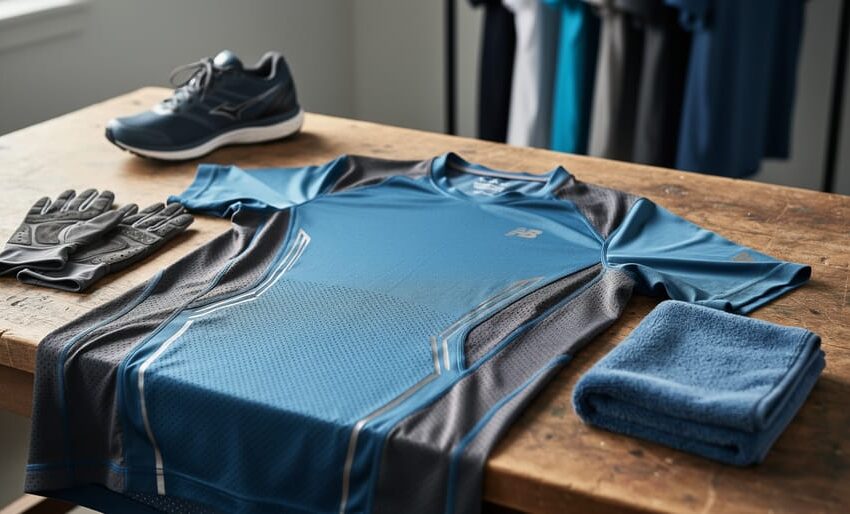
A tech running shirt is a synthetic or merino wool garment engineered to manage moisture, regulate temperature, and reduce chafing better than traditional cotton. For most Canadian runners in 2026, a lightweight polyester blend with flatlock seams and mesh ventilation zones offers the best combination of performance, durability, and value across three-season training.
The difference between a regular athletic shirt and a technical running shirt comes down to fabric engineering. Modern tech shirts use moisture-wicking fibers that pull sweat away from your skin to the outer surface where it evaporates quickly, keeping you cooler in summer heat and preventing the damp chill that ends spring and fall runs early. The best options include antimicrobial treatments to control odor during high-mileage weeks, reflective elements for low-light visibility, and strategic seam placement that eliminates the hot spots responsible for nipple chafing and underarm irritation on long runs.
But walking into a running specialty store or scrolling through online retailers reveals dozens of options at wildly different price points, each promising superior breathability, faster drying times, or revolutionary fabric blends. Some shirts cost under thirty dollars while premium options push past one hundred. Understanding which features deliver real performance benefits and which are marketing noise makes the difference between a shirt that becomes your go-to training companion and an expensive closet ornament.
This guide breaks down the technologies that actually matter, compares the main categories of tech shirts available today, and matches specific recommendations to your running profile, whether you’re training through humid Ontario summers or preparing for crisp early-morning starts in the Rockies.
What Makes a Running Shirt ‘Tech’?
Tech running shirts earn the ‘tech’ label through engineered fabrics and construction methods that actively manage your body’s microclimate during exercise. Unlike cotton t-shirts that absorb sweat and cling to your skin, technical fabrics use synthetic fibers or specialty natural materials woven in patterns that pull moisture away from your body and spread it across the shirt’s outer surface where it evaporates quickly. This moisture-wicking process keeps you drier, lighter, and more comfortable whether you’re grinding through intervals or logging easy miles.
Breathability separates good tech shirts from exceptional ones. Modern performance shirts incorporate mesh panels in high-heat zones like your back and underarms, or use knit structures with varying densities that create airflow channels. Some 2026 models feature laser-cut perforations or gradient ventilation that increases breathability where you need it most without compromising durability.
Temperature regulation technology has advanced beyond simple cooling. Today’s tech shirts use phase-change materials that absorb excess heat during hard efforts and release it when you slow down, maintaining a more consistent body temperature. Others incorporate silver or copper ions woven into the fabric for antimicrobial properties that control odor-causing bacteria, letting you wear the shirt for multiple runs between washes.
The construction matters as much as the fabric. Flatlock seams lie flat against your skin rather than creating friction points. Raglan sleeves improve range of motion. Drop-tail hems provide coverage without riding up. These details, combined with fabrics that maintain their shape and performance properties after dozens of wash cycles, define what makes a running shirt truly technical rather than just sporty-looking.
What to Look for When Buying Tech Running Shirts

Fabric Technology and Material Composition
Polyester blends dominate the tech running shirt market because they excel at moisture-wicking and dry quickly, making them reliable for most conditions. These synthetic fabrics pull sweat away from your skin and spread it across the fabric surface for rapid evaporation. Look for shirts that combine polyester with elastane (2-5%) for stretch and shape retention during long runs.
Merino wool offers natural temperature regulation and resists odors remarkably well, even after multiple wears. It performs best in cooler Canadian temperatures (below 15°C) and shoulder seasons, though it dries slower than synthetics and costs more. Many runners prefer merino blends that add some polyester for faster drying while keeping wool’s comfort benefits.
Bamboo fabrics feel exceptionally soft and provide natural antimicrobial properties, but they typically dry slower than polyester. They work well for recovery runs and moderate-pace training in mild conditions rather than intense workouts or hot weather.
Emerging recycled polyester and bio-based materials now match traditional synthetic performance while reducing environmental impact. These sustainable options cost slightly more but deliver the same moisture management you need for serious training across Canadian seasons.
Fit, Cut, and Construction
The difference between a comfortable run and a miserable one often comes down to how your shirt fits and where its seams sit.
Race fit shirts hug your body closely, reducing wind resistance and fabric movement. They work well for faster paces and leaner builds but can feel restrictive if you prefer more breathing room. Relaxed fits offer better airflow and work across a wider range of body types, though excess fabric can bunch during arm swing or cause chafing on longer efforts.
Seam placement matters more than most runners realize. Flatlock seams lie flat against your skin rather than creating raised ridges that rub. Premium tech shirts now use seamless construction in high-friction zones like underarms and shoulders, or place seams strategically away from pressure points. Check where your hydration vest straps or race bib will sit when evaluating construction.
Longer shirt tails prevent ride-up during running, while raglan sleeves (diagonal seams from collar to underarm) allow fuller arm movement than traditional shoulder seams. These construction details seem minor in the store but become critical after 10k.
Try moving through a full range of motion before buying. Reach overhead, swing your arms, twist your torso. The shirt should move with you, not against you.
Climate and Season Considerations
Canadian runners face dramatic temperature swings throughout the year, making climate-appropriate shirt selection critical for comfort and performance. Summer running demands maximum breathability, look for shirts with mesh ventilation panels along the back and underarms, where heat accumulates most. Lightweight fabrics under 100 GSM (grams per square meter) work best when temperatures climb above 20°C, while perforated weaves enhance airflow during humid conditions common in Ontario and Quebec summers.
Spring and fall present the trickiest challenges. Mornings might start at 5°C but finish at 15°C, requiring shirts that regulate temperature across ranges. Mid-weight technical fabrics (100-140 GSM) with moisture-wicking properties handle these transitions well. Long sleeves with push-up capability give you adjustment options as your body warms.
Winter layering shifts priorities toward thermal retention without bulk. Base-layer tech shirts should sit close to skin, with brushed interiors that trap warm air while moving moisture away from your body. Merino wool blends excel here, maintaining warmth even when damp from sweat. Save your lightest summer shirts for indoor training, Canadian winter running requires fabrics designed to insulate, not just wick.
Features and Functionality
Beyond fabric and fit, smart features separate basic athletic wear from truly functional tech running shirts. Understanding which enhancements matter for your running style helps you invest wisely rather than paying for gimmicks you’ll never use.
Reflective elements aren’t optional for Canadian runners who train early mornings or after work during darker months. Look for 360-degree visibility with reflective logos, strips along sleeves and hem, or subtle dot patterns that light up in headlights. Some 2026 models integrate reflective thread directly into the weave rather than adding separate tape that can peel over time.
Pockets divide runners sharply. Race-focused shirts often skip them entirely to minimize weight and bulk, while training shirts may include chest zip pockets for keys or gel loops at the hem. Side pockets rarely work well for running, items bounce and shift. If you carry a phone, a dedicated vest or belt usually beats shirt pockets.
UV protection matters for long runs in exposed areas. UPF 30-50 fabrics block harmful rays without extra sunscreen on your torso, though you’ll still need to cover exposed arms, neck and face. Darker colors typically offer better protection than light ones.
Anti-odor treatments use silver ions, polygiene technology or bamboo’s natural properties to prevent bacterial growth. These extend wear between washes and keep shirts fresher on multi-day trips or back-to-back training days.
Different runners prioritize features differently:
- Beginner essentials: reflective elements, basic moisture-wicking, machine-washable construction
- Distance runner priorities: chafe-free seams, lightweight pockets for nutrition, anti-odor treatment for long efforts
- Early-morning/evening runners: 360-degree reflectivity, bright accent colors, high-visibility panels
- Hot-climate runners: UPF 50 protection, maximum ventilation zones, light colors that reflect heat
- Nice-to-have additions: thumb holes, headphone loops, hidden zip pockets, dropped hem for coverage
Test shirts with features that match your actual training conditions rather than collecting every innovation. A chest pocket you never use adds cost without value, while missing reflectivity on a shirt you wear for dawn runs compromises safety. Focus on features that solve problems you actually face during your typical runs.
Types of Tech Running Shirts Compared
Short-Sleeve Performance Shirts
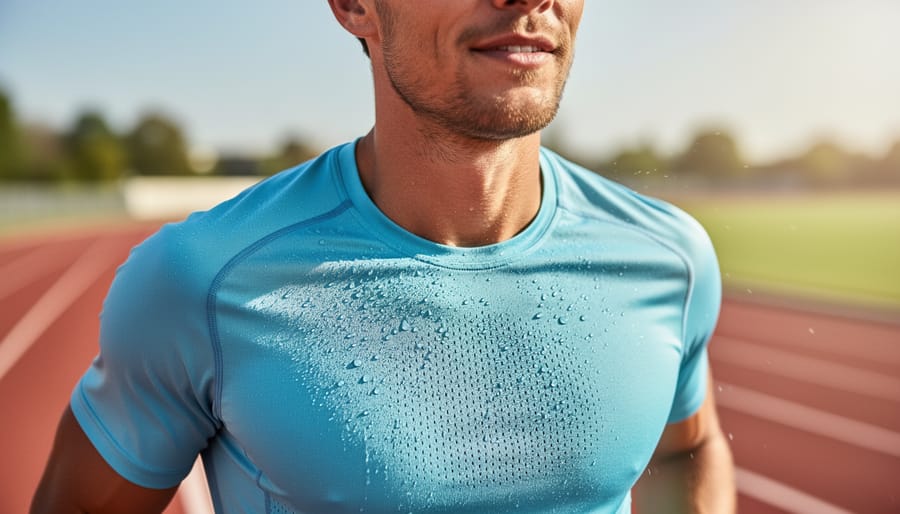
Short-sleeve performance shirts represent the workhorse of any runner’s wardrobe, delivering reliable comfort across three seasons in most Canadian regions. Their versatility stems from a simple advantage: they work equally well as a standalone piece during moderate temperatures or as part of a layering system when conditions turn cooler.
These shirts typically feature lightweight synthetic fabrics that dry quickly after sweat-soaked intervals or unexpected rain showers. The sleeve length hits that practical sweet spot, enough coverage to prevent shoulder sunburn during long summer runs while leaving your arms free to regulate temperature naturally. Most designs incorporate mesh panels under the arms or across the back, creating airflow channels that prevent that clammy feeling during high-intensity efforts.
For beginners building their first running kit, a quality short-sleeve tech shirt delivers immediate comfort improvements over cotton alternatives. Experienced runners appreciate how these shirts transition seamlessly from easy recovery jogs to tempo workouts, handling varying intensities without requiring a wardrobe change. The cut tends toward athletic but not restrictive, accommodating different body types while minimizing excess fabric that flaps or bunches mid-stride.
Long-Sleeve Technical Shirts
Long-sleeve technical shirts extend your outdoor running season across Canada’s challenging shoulder months and milder winter days. Unlike short-sleeves worn under jackets, these function as standalone pieces in 5-15°C conditions or as efficient base layers when temperatures drop further.
The defining feature is sleeve construction that balances warmth with breathability. Quality long-sleeves use strategic fabric weights, denser material through the torso and back, lighter panels under arms and along sides where heat builds fastest. This zoned approach prevents both chilling and overheating during tempo runs or long steady efforts.
Thumb holes keep sleeves anchored over your hands without bunching, crucial when you’re alternating between covered and exposed hands as you warm up. Extended back hems provide coverage when you lean forward in running position, eliminating that annoying ride-up that exposes your lower back to wind.
For fall and spring running, look for shirts with quarter-zips or full ventilation options, you’ll appreciate the temperature control fifteen minutes into your run when your core heats up but the air remains cool.
Sleeveless and Tank Styles
Sleeveless and tank-style tech shirts deliver maximum airflow when temperatures climb or workout intensity peaks. By eliminating fabric around the shoulders and arms, these designs create unrestricted ventilation that keeps your core cooler during hot Canadian summer runs or interval sessions. The trade-off? Less coverage means more exposed skin vulnerable to UV damage and chafing from hydration packs or race bibs.
Look for tanks with wider armholes positioned away from traditional seam lines to prevent rubbing during arm swing. Many 2026 models incorporate UPF 50+ fabric panels across the chest and back to offset sun exposure concerns. Consider how a sleeveless shirt fits into your broader running wardrobe, it pairs well with cold-weather tights or winter pants for shoulder-season temperature management when morning starts are frigid but midday warmth builds.
Race-cut tanks work best for experienced runners comfortable with minimal coverage, while relaxed-fit options suit training runs where comfort trumps aerodynamics.
Base Layer Tech Shirts
Base layers transform cold-weather running from a teeth-chattering ordeal into a comfortable experience. These fitted shirts sit directly against your skin, trapping warm air while moving moisture away before it chills you. In Canadian winters, a quality base layer makes the difference between cutting your run short and maintaining your training schedule.
True technical base layers use fabric weights measured in grams per square meter. Lightweight options (150-200 gsm) suit milder conditions down to 5°C, while midweight layers (200-260 gsm) handle temperatures between -5°C and 5°C. Merino wool base layers excel at odor control for multi-day use, though synthetic blends dry faster after intense efforts.
Compression base layers add muscle support and improved circulation, benefits that matter more on longer runs. However, the snug fit isn’t for everyone, test this style on shorter runs first. Look for flatlock seams and tagless construction, as any friction point becomes painful over 10+ kilometers against bare skin.
Tech Running Shirts for Different Runner Profiles
Best Options for Beginner Runners
For runners who’ve just decided to start running, investing in moderately priced tech shirts from established brands offers the sweet spot between performance and value. Look for shirts in the $30-50 range from Nike, Adidas, or New Balance, these deliver reliable moisture-wicking and anti-odor properties without the premium features you won’t yet miss. Target neutral colors like black, navy, or grey, which hide wear better than pale shades and transition easily from training runs to casual wear.
Focus on basic polyester blends rather than specialized fabrics. A simple 100% polyester shirt with mesh ventilation panels will keep you comfortable during most Canadian spring, summer, and fall runs. Skip compression fits initially; a standard athletic cut provides room to experiment with layering as you build your routine. Buy two or three shirts rather than one expensive option, allowing you to rotate them through weekly training while testing which features matter most to you before upgrading.
Top Picks for Distance and Marathon Runners
When you’re logging high weekly mileage during marathon training, your tech shirt becomes a critical piece of equipment that can make or break those long Sunday runs. Distance runners need shirts that perform flawlessly from kilometre one through thirty-plus, managing sweat without adding weight, preventing chafing on moving parts, and maintaining comfort as fatigue sets in.
Look for premium fabrics with advanced capillary action that pulls moisture away faster than standard polyester. Many marathon-focused shirts now feature graduated mesh zones, lighter weave in high-sweat areas like your back and underarms, denser fabric elsewhere for coverage. This targeted ventilation prevents that heavy, saturated feeling during the final third of your run.
Construction details matter enormously at distance. Seek flatlock or bonded seams throughout, not just at the shoulders. Pay attention to hem design; rolled edges or laser-cut finishes eliminate the friction point where your shirt meets your shorts or tights. Avoid decorative seams down the centre back, they’re positioned exactly where hydration pack straps rub.
Durability justifies the premium price for distance runners. Quality marathon shirts withstand sixty-plus washes without losing shape or moisture-wicking properties, making them more economical over a full training cycle than replacing cheaper options multiple times. Many Canadian runners report their best marathon shirts lasting through three or four complete training blocks, maintaining performance even as the fabric softens with age.
Recommended Shirts for Canadian Weather Extremes
Canadian weather demands shirts that handle dramatic temperature swings and unpredictable conditions. For scorching summer humidity in Ontario and Quebec, prioritize shirts with mesh panels across the back and sides, not just under the arms. Look for fabrics rated above 30 CFM (cubic feet per minute) for air permeability, this measurement indicates genuine breathability rather than marketing claims. Lightweight polyester blends under 100 grams work best when temperatures climb above 25°C with high humidity.
Winter running requires a different approach entirely. Choose base layer tech shirts with brushed interiors that trap warmth without bulk, typically ranging from 150-200 grams. Merino wool blends (40-60% merino, 40-60% synthetic) excel in prairie wind and coastal dampness because they regulate temperature whether you’re warming up or cooling down mid-run. Flatlock seams become critical under winter layers, raised seams cause irritation after 30 minutes of running with a jacket overtop.
For spring and fall volatility, invest in one versatile long-sleeve shirt with a quarter-zip. This single piece handles morning frost and afternoon warmth better than owning separate options for every scenario.
Common Mistakes to Avoid When Buying Tech Running Shirts

Choosing the wrong tech running shirt can derail your training comfort and drain your wallet, yet these mistakes are entirely preventable with a bit of awareness. Here are the most common pitfalls Canadian runners encounter when shopping for performance running apparel:
- Buying based on brand hype rather than testing the fit and fabric against your actual running conditions and body type
- Choosing the wrong size, tech shirts should fit snug without restricting movement, not loose like casual tees
- Ignoring care instructions, which leads to premature fabric breakdown and lost moisture-wicking performance
- Purchasing only one shirt instead of rotating multiple options, causing faster wear and limiting training flexibility
- Overlooking return policies when buying online, leaving you stuck with an uncomfortable or poorly-fitting shirt
- Selecting shirts based solely on price, either overpaying for unnecessary features or buying cheap cotton blends that fail in the first rain
The sizing mistake trips up runners more than any other factor. Many people assume their casual clothing size translates directly to running gear, but tech shirts are engineered for a performance fit. A medium in your everyday wardrobe might mean you need a large in a race-cut technical shirt, or vice versa. Always check the brand’s specific size chart and read reviews about whether the shirt runs small or large.
Another costly error is neglecting the long-term value equation. A shirt that costs forty dollars but falls apart after six months represents worse value than an eighty-dollar option that performs reliably for three years. Similarly, runners often ignore fundamental layering basics when building their technical wardrobe, buying several similar shirts instead of diversifying for different conditions. You need short-sleeve options for summer, long-sleeve choices for shoulder seasons, and base layers that work within your winter running system.
The final mistake is rushing the purchase without considering your actual running habits. If you run three times weekly in moderate conditions, you don’t need the most expensive moisture-management system on the market. Match the technology to your genuine needs, not to aspirational goals or marketing promises.
Frequently Asked Questions

How do I wash tech running shirts without damaging the fabric technology?
Wash in cold water on a gentle cycle, avoid fabric softener which clogs moisture-wicking fibers, and skip the dryer, air drying preserves the technical properties and extends shirt lifespan. Most tech fabrics dry quickly on their own, usually within a few hours.
How many tech running shirts does a regular runner actually need?
Three to five shirts provide enough rotation for most runners training three to five times weekly, allowing one shirt per run with time for washing and drying. Serious runners logging daily miles might want seven shirts, one for each day of the week.
Are tech running shirts really worth the price compared to regular cotton t-shirts?
Yes, because technical fabrics manage sweat efficiently, dry faster, resist odor buildup, and prevent chafing during longer runs, benefits cotton simply cannot deliver. A quality tech shirt lasts hundreds of runs while maintaining performance, whereas cotton stays wet, causes irritation, and wears out faster.
How long should a good tech running shirt last?
With proper care, expect 12 to 18 months of regular use before moisture-wicking efficiency noticeably declines, though the shirt remains wearable beyond that. High-quality shirts from premium brands often last two years or longer with consistent performance.
These practical concerns come up constantly in running communities, and understanding the answers helps you get better value from your gear investment. Tech running shirts represent a meaningful upgrade from casual athletic wear, but they require specific care to maintain their performance properties.
One question that surfaces less often but matters just as much: should you size up or down when between sizes? Most runners find that going with their true size works best for everyday training shirts, while race-fit options perform better one size up to avoid restriction during hard efforts. Canadian brands often run slightly larger than European cuts, so checking size charts prevents disappointment.
The sustainability angle deserves attention too. Many 2026 tech shirts incorporate recycled polyester or responsibly sourced merino wool, reducing environmental impact without compromising performance. These eco-conscious options typically cost five to ten dollars more than conventional tech fabrics, but they deliver the same moisture management and durability while supporting better manufacturing practices.
Does wearing tech running shirts actually make you faster? The comfort and temperature regulation benefits let you focus on your pace and form instead of dealing with discomfort, which translates to better performance over time. While the shirt itself does not create speed, eliminating distractions and maintaining optimal body temperature removes barriers that slow you down.
What to Look For
When shopping for tech running shirts, prioritize fabric technology first. Look for moisture-wicking materials that pull sweat away from your skin rather than absorbing it. Polyester blends dry fastest, while merino wool offers natural odor resistance for multiple wears between washes.
Fit matters more than you might expect. A shirt that’s too loose creates friction and chafing, while overly tight fits restrict breathing and movement. Try the arm-swing test in the store: raise your arms overhead and twist at the waist. The fabric should move with you without riding up or binding.
Check construction details carefully. Flatlock seams lie flush against skin and prevent chafing during long runs. Avoid shirts with thick side seams that hit right where your arms swing. Mesh panels under the arms and across the back improve ventilation where you sweat most.
Consider your typical running conditions. If you run early mornings or evenings, reflective elements aren’t optional in Canadian traffic. For summer runs, UV protection ratings above 50 shield exposed skin. Winter runners need longer torsos that stay tucked when layering.
Price doesn’t always indicate quality, but expect to invest at least forty dollars for shirts with proven performance fabrics and thoughtful construction.
Choosing the right tech running shirt transforms every training session, making uncomfortable runs manageable and good runs great. Throughout this guide, we’ve explored how fabric technology, thoughtful construction, and proper fit work together to regulate temperature, manage moisture, and prevent chafing during your miles on Canadian roads and trails.
The most important takeaway? Prioritize how a shirt performs for your specific needs rather than defaulting to recognizable brand names. A well-fitting shirt from a lesser-known manufacturer often outperforms an ill-fitting premium option. Focus on the technologies that matter for your climate and running style, moisture-wicking capability for humid summer runs, thermal regulation for shoulder-season training, and construction quality that prevents hot spots during long distances.
Innovative running apparel continues to evolve, with manufacturers developing more sustainable materials, improved temperature regulation, and smarter construction techniques each year. Your investment in quality tech shirts pays dividends across training cycles and weather conditions, supporting your goals whether you’re building your first 5K base or chasing a marathon personal record.
For ongoing gear reviews, training insights, and the latest innovations in running apparel, subscribe to Le Pharillon. We deliver expert guidance in both English and French, helping Canadian runners make informed decisions season after season.